

FOOD FOR THOUGHT
Questioning what we've come to accept.
From the food we eat to the systems we depend on, Food for Thought explores the questions worth asking. Farming, medicine, health, economics and community. Honest perspectives intended to encourage conversation, challenge assumptions and inspire a more resilient future.

Featured Story
Small Scale Farms Is Growing, and Here's What's Coming Next.
Small Scale Farms is growing into something much bigger than a grocery store. From Red Maple Farm School and the Resilience Network to Friendly Neighbours, Give to Grow and plans to help establish more farms, here's a look at what we're building, what's coming next and how you can be part of it.
Read ArticleLatest Articles
SMALL SCALE FARMS IS GROWING, AND HERE'S WHAT'S COMING NEXT
Small Scale Farms is growing into something much bigger than a grocery store. From Red Maple Farm School and the Resilience Network to Friendly Neighbours, Give to Grow and plans to help establish more farms, here's a look at what we're building, what's coming next and how you can be part of it.
Read Article
WHEN DID WE STOP LEARNING HOW TO MAKE OUR OWN MEDICINE?
Before becoming a farmer, I worked in natural health, and my curiosity about medicinal plants eventually became part of my farming journey. When did we become so familiar with purchasing medicine but so disconnected from the plants around us? From dandelion roots and nettles to herbal tinctures and traditional preparations, perhaps it's time we rediscovered the practical knowledge that generations before us understood.
Read Article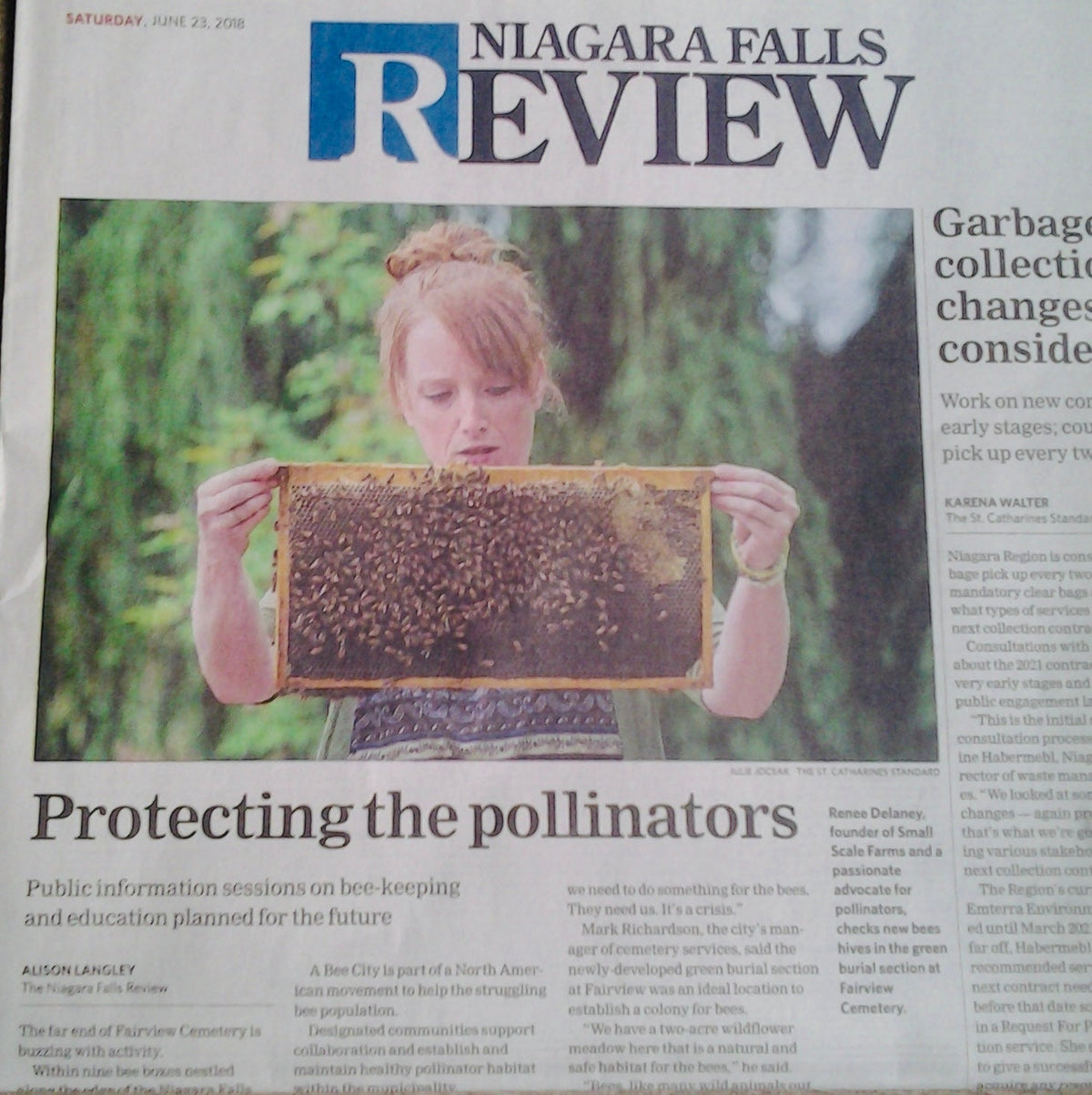
PROTECTING THE POLLINATORS: WHAT THE BEES TAUGHT ME ABOUT COMMUNITY
From helping Niagara Falls, St. Catharines and Welland become Bee Cities to keeping my own bees at Fairview Cemetery and Happy Rolph's, protecting pollinators has been an incredible journey. Along the way, I've made lifelong friendships, worked with wonderful communities and learned some profound lessons from the bees themselves. They're a superorganism, a biological indicator of environmental health, and perhaps one of nature's greatest examples of what we can accomplish together.
Read Article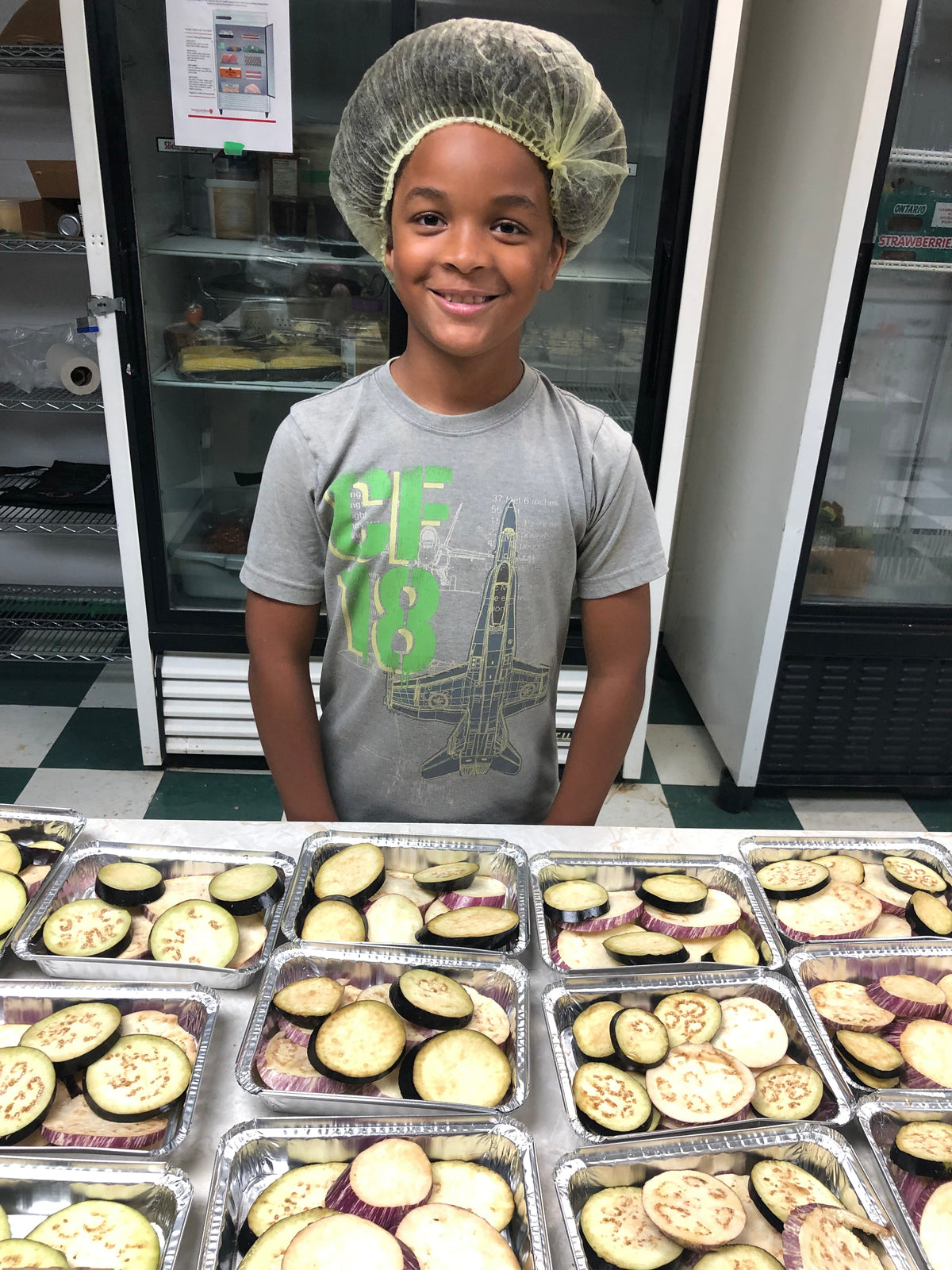
WE'VE LEARNED HOW TO CONSUME. BUT HAVE WE FORGOTTEN HOW TO PRODUCE?
We've become very good at teaching people how to earn money to buy what they need. But how much time do we spend teaching people how to produce something of value? From growing food and developing practical skills to starting financially sustainable farms, perhaps it's time we rethink what education should accomplish and how it can help build a more capable, resilient economy.
Read Article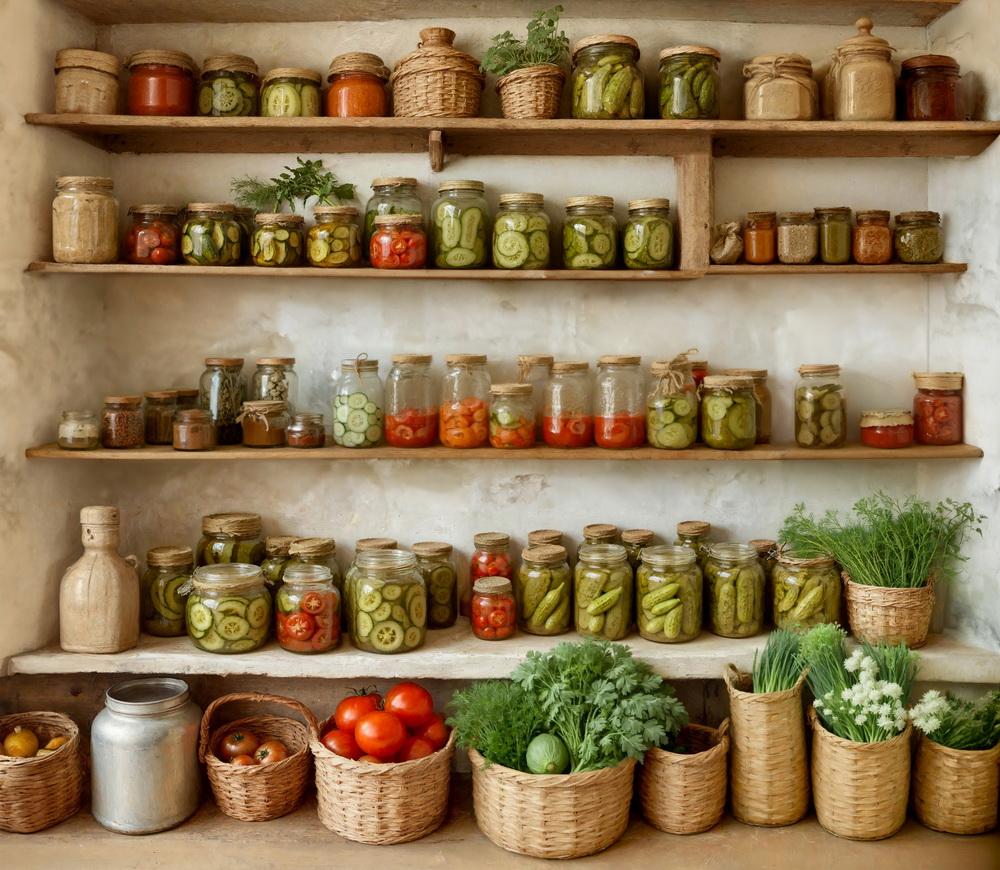
COULD YOUR HOUSEHOLD FEED ITSELF FOR 30 DAYS?
Could your household feed itself for 30 days if grocery stores suddenly became unavailable? We've become so accustomed to convenience that we've forgotten how dependent we are on the systems supplying our food. Preparedness isn't about fear or stockpiling. It's about developing practical skills, building stronger households and reconnecting with the resources and people around us. How prepared are you?
Read Article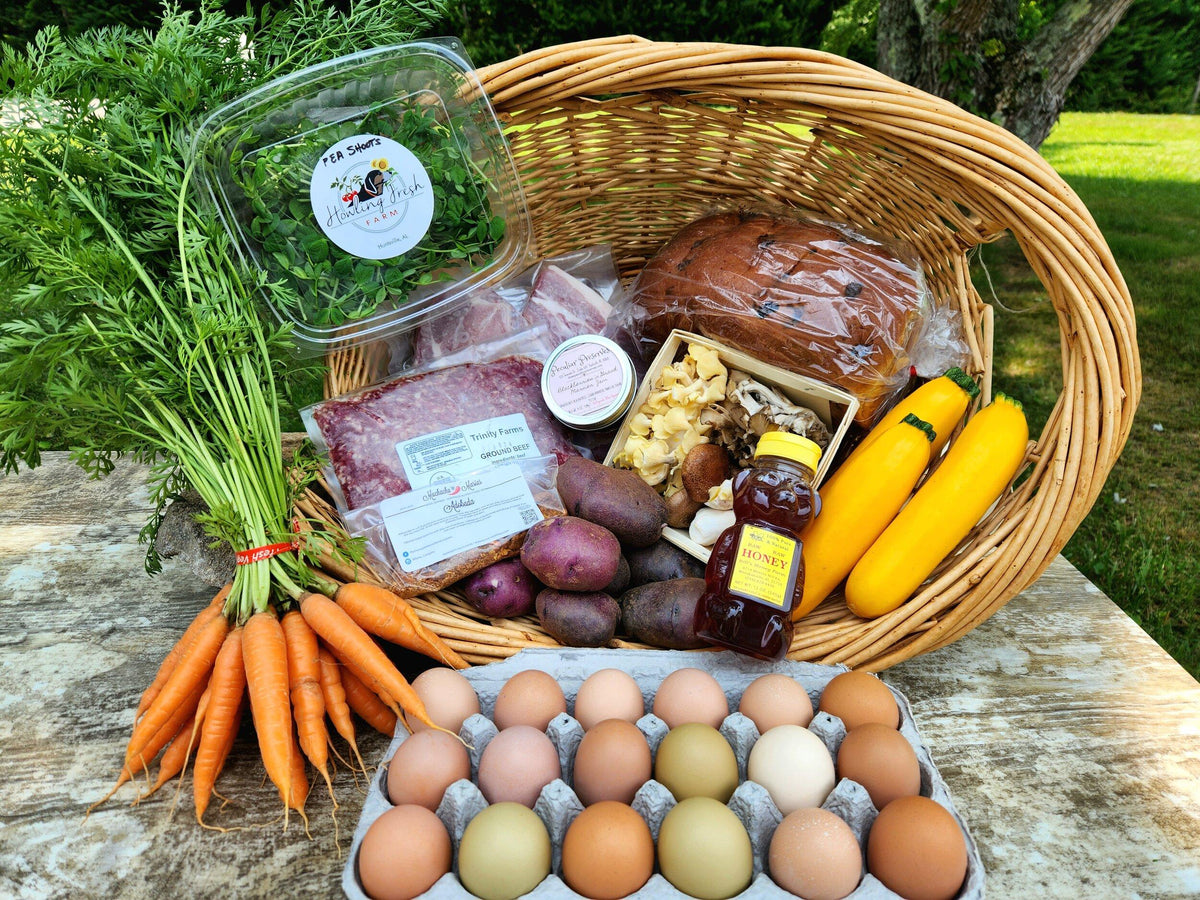
WHEN DID WE STOP ASKING WHAT'S IN OUR FOOD?
When did we become so comfortable not knowing what's in our food or where it comes from? We've learned to count calories, compare nutrients and trust labels, but have we lost sight of what real food actually is? From soil health and farming practices to processed ingredients and rising grocery costs, it's time to start asking better questions about what we're feeding ourselves and our families.
Read ArticleUNPACKING THE CURRENT FOOD SYSTEM

Six Articles. One Bigger Conversation.
Why does food cost so much? How did we become so dependent on systems we barely understand? And who benefits from keeping things the way they are?
This six-part series takes a closer look at the systems shaping our food, our choices and our ability to become more self-reliant.
Latest Articles

Embracing Our Strength: The Importance of Positive Self-Affirmations
Affirmations are positive statements that can help you challenge and overcome negative thoughts and beliefs. They promote self-reflection and can lead to significant benefits across various aspects of life.
Ok so we get that right. So why don’t we do them?
In a world that often pressures us to conform and shrink ourselves down, embracing our true selves can feel like a monumental task. Many of us have been conditioned to downplay our strengths, hide our achievements, and minimize our worth.
So why do we do this, and how can we shift our mindset toward a more empowering narrative?
Here are some of the ways in which we shrink ourselves down:
1. Diminishing our presence
2. Downplaying our worth
3. Minimizing our impact
4. Concealing our strengths
5. Reducing our visibility
6. Suppressing our voice
7. Undermining our potential
8. Hiding our true selves
9. Limiting our expression
10. Negating our abilities
Why Do We Do It?
1. Societal Conditioning: From a young age, many are taught to be humble, with phrases like "don’t brag" echoing throughout our upbringing. This conditioning can lead to a reluctance to acknowledge our strengths and achievements.
2. Fear of Judgment: We often worry about how others perceive us. The fear of seeming arrogant or boastful can stifle our ability to express positive truths about ourselves.
3. Self-Doubt: Negative past experiences or internalized societal messages can lead to self-doubt. When we don’t believe in our worth, it’s easy to shrink back from celebrating our strengths.
How Can We Stop It??
1. Practice Mindful Awareness: Start by recognizing when you downplay your achievements or strengths. Bring awareness to your thoughts and feelings in those moments.
2. Challenge Negative Thoughts: Ask yourself whether these thoughts are based on reality or simply old habits. Replace them with positive affirmations that reflect your truth.
3. Embrace Positive Affirmations: Start by writing down affirmations that resonate with you, such as health based ones like, "My body is strong and vital" or "Every cell in my body is working perfectly." Then make these affirmations a daily ritual to reinforce positive self-perception.
4. Surround Yourself with Positivity: Engage with people who uplift and support you. Limit exposure to negative influences that reinforce self-doubt or a diminished sense of self.
5. Celebrate Small Wins: Take time to acknowledge and celebrate your achievements, no matter how small. This practice can help reinforce your belief in your strengths.
6. Gratitude Journaling: Regularly write down things you are grateful for about yourself and your life. This can shift your focus from negative self-perception to a positive outlook.
7. Visualizations: Spend a few minutes each day visualizing yourself as the strong, vibrant person you aspire to be. This mental imagery can boost your confidence and reinforce your affirmations.
8. Self-Compassion: Treat yourself with kindness and understanding. Recognize that everyone struggles with self-acceptance and that it's a journey worth undertaking.
Affirmations have the power to transform your life. They improve self esteem, reduce stress, enhance motivation, (to help you achieve your goals) and they enhance your emotional resiliency making it way easier to cope with set backs and challenges. Affirmations can even improve your relationships because a positive self-image often leads to healthier interactions with others. They foster a more fulfilling and enriched experience by helping you recognize the positive aspects of your current situation.
Conclusion
In essence, affirmations are powerful tools for personal growth and transformation. By regularly incorporating positive statements into your life, you can foster a more empowered mindset, enhance your emotional well-being, and actively shape the future you desire.
Current Bio-Engineered Foods: Insight into how we "farm" in Canada
Current Bio-Engineered Foods: Produce, Meat, Dairy, and Eggs
Bio-engineered foods, commonly known as genetically modified organisms (GMOs), have been at the forefront of agricultural advancements in recent years. Below is an overview of the current bio-engineered products in the categories of produce, meat, dairy, and eggs, along with details on the percentage of the market that these products account for.
1. Bio-Engineered Produce
Several fruits and vegetables are available in bio-engineered forms. The following are prominent examples:
- Corn: Primarily used for animal feed, ethanol production, and processed foods. Approximately 90% of corn grown in the U.S. is genetically modified.
- Soybeans: Around 94% of soybeans cultivated in North America are bio-engineered, and are mainly used for oil and animal feed.
- Potatoes: Certain varieties, such as the Innate® potato, have been modified for less bruising and lower acrylamide levels. Currently only about 5% of Canadian potatoes are genetically altered.
- Canola: About 90% of canola in North America is genetically modified, utilized for cooking oil. Canada is one of the largest producers of GM canola, primarily designed for herbicide tolerance.
Canadians consume a significant amount of canola oil each year, with the average annual per capita consumption estimated at around 12 liters. This makes canola oil one of the most popular cooking oils in Canada, primarily due to its light flavor, high smoke point, and “favorable health profile”, aka marketed as being low in saturated fats and high in heart-healthy monounsaturated fats. In total, the overall consumption of canola oil in Canada is approximately 400,000 metric tons annually, reflecting its widespread use in households, restaurants, and food processing industries across the country.
- Sugarbeets: 90% of sugar produced from sugarbeets in North America is from bio-engineered varieties.
In Canada, sugar beet juice has gained popularity as an eco-friendly alternative for de-icing roads during winter, with approximately 10 million liters (about 2.6 million gallons) used annually in various municipalities. However, it’s important to note that sugar beets are often treated with neonicotinoid pesticides, which are systemic and can accumulate in the environment. Research has shown that these pesticides can be found in water supplies, raising concerns about their impact on bee populations. Since bees require water for drinking and cooling their hives, their exposure to neonicotinoids through contaminated water can contribute to declining bee health and mortality. This highlights the need for careful management of agricultural practices to protect both pollinators and the environment while utilizing alternatives like sugar beet juice in road maintenance.
Other bio-engineered produce includes:
Papaya
- Rainbow and SunUp varieties (engineered to resist the ringspot virus)
Tomatoes
- Certain genetically modified varieties (like the Flavr Savr tomato, which was created for extended shelf life; though it is not widely cultivated today).
While conventionally grown tomatoes are not genetically modified, the practices used to grow, harvest, and transport them can significantly impact their flavour and overall quality.
Eggplant
- Bt brinjal (BARI Bt Begun varieties) resistant to pests, developed in Bangladesh and India
Squash, (zucchini)
- Gmo varieties are not approved to grow in North America however it is estimated that around 30% of the zucchini produced in Mexico may be genetically modified. The primary traits for these GMO zucchinis typically include improved pest resistance and higher yields.
Pineapple
- Pink flesh pineapple (engineered for enhanced colour and flavour)
Apples
- Arctic® apples (modified to resist browning when cut)
Note about apples: Companies often hold patents on specific varieties of fruits, such as Honeycrisp apples, which allows them to protect their intellectual property and control how these varieties are propagated and sold. The Honeycrisp apple, developed by the University of Minnesota, is a patented variety that was granted protection to ensure that breeders and growers pay royalty fees to the patent holder for its cultivation. This control means that only licensed nurseries can propagate and sell Honeycrisp apple trees, limiting availability and maintaining quality standards. While this can incentivize innovation and investment in developing new varieties, it also raises concerns about biodiversity and the potential monopolization of certain fruit varieties in the market. As a result, consumers may find that patented varieties are more expensive and less accessible compared to open-pollinated or heirloom varieties.
Bananas
- Varieties under development for disease resistance
Chickpeas
- Some are in development for traits like herbicide resistance and improved nutrition.
Note about chickpeas: Chickpeas, like many conventional crops, can often contain residues of herbicides and pesticides due to agricultural practices used during their cultivation. When farmers grow chickpeas, they may apply synthetic chemicals to control pests, weeds, and diseases that can threaten the crop. While regulatory agencies set limits on acceptable levels of these residues to ensure food safety, concerns remain about the long-term health effects of consuming crops treated with chemical pesticides and herbicides. Additionally, the prevalence of glyphosate, a widely used herbicide, has raised questions about its potential impact on health and the environment. As consumers become more aware of these issues, many are seeking organically grown chickpeas that are cultivated without the use of synthetic pesticides and herbicides, opting for options that prioritize health and sustainability.
Alfalfa
- Engineered for herbicide tolerance and improved yield
In North America, about 94% of the alfalfa grown is genetically modified (GMO), primarily developed for herbicide tolerance. This high percentage reflects the widespread adoption of GM alfalfa by farmers, who appreciate its benefits in terms of weed management and yield potential. As a crucial forage crop, GMO alfalfa plays a significant role in the livestock industry, particularly for dairy and beef production, providing a “nutritious” feed source for animals.
Rice
- Golden Rice (fortified with vitamin A) is still under development and not generally available on the market.
Beets
- Table beets modified for pest resistance and improved shelf life. Not approved in North America yet.
2. Bio-Engineered Meat
Bioengineered Salmon in Canada
AquAdvantage Salmon is the only genetically modified fish approved for human consumption in North America, including Canada. Here are some key points regarding GM salmon:
- AquAdvantage Salmon: This genetically modified Atlantic salmon has been engineered to grow faster than its non-GM counterparts. It achieves market size in about 18 months, compared to around three years for traditional salmon.
- Approval Status: AquAdvantage Salmon was granted approval in Canada and the U.S. in 2016 (Canada’s approval was granted by the CFIA), and it has been available in the market since then.
- Public Perception: The introduction of GM salmon has raised concerns among consumers regarding the implications for wild salmon populations, potential ecological impacts, and health considerations.
Note: While meat itself is not genetically modified, the feed given to livestock often contains genetically modified organisms (GMOs), particularly corn and soybeans that are commonly used in animal feed. Approximately 70-90% of the animal feed in North America consists of GMO crops, leading to concerns about the potential impact of consuming meat from animals raised on such feed. This reliance on GMO feed raises questions about the long-term health effects on both the animals and, consequently, the humans who consume their meat. Furthermore, there are concerns regarding the environmental impact of GMO agriculture, including reduced biodiversity and the development of herbicide-resistant weeds, which can affect sustainable farming practices. As consumer awareness grows about the origins and quality of food, many advocates are calling for clearer labeling and more transparency regarding the feed used in livestock production.
3. Bio-Engineered Dairy
Currently, the dairy industry does not have prominent bio-engineered products like milk or cheese. Efforts in genetic engineering in dairy involve genetic modifications to improve milk production or disease resistance in cows, but these are not yet widespread in the market.
Similar to meat, while milk itself is not genetically modified, dairy cows are often fed a diet that includes a significant amount of genetically modified organisms (GMOs), primarily corn and soybeans. Approximately 70-90% of the feed given to dairy cows consists of these GMO crops. This raises concerns about the potential transfer of pesticide residues and other chemicals used in GMO agriculture into the milk produced by these cows.
Additionally, there are public health concerns surrounding the use of growth hormones and antibiotics in dairy farming, which can be more prevalent in conventional milk production systems. In the USA, the use of recombinant bovine somatotropin (rBST), a hormone used to increase milk production in dairy cows has led to debates about its safety and impact on both animal welfare and human health.
While Canadian regulations ensure that milk is produced "safely" and to high standards, (no growth hormones allowed) concerns about antibiotic use, animal welfare, pesticide residues, and the environmental impact of dairy farming remain relevant in discussions about the dairy industry. As consumer awareness and preferences evolve, many are seeking greater transparency and more ethically produced dairy products.
Consumer demand for organic, artisan dairy milk is increasing, as many people are seeking dairy products that come from cows fed organic feed and raised without synthetic hormones or antibiotics. Transparency in labeling and farming practices is becoming increasingly important as consumers look for assurance about the quality and safety of the milk they purchase.
4. Bio-Engineered Eggs
Research is ongoing in developing genetically modified hen breeds that can produce eggs with enhanced nutritional profiles or disease resistance. However, as of now, there is no significant consumption of genetically engineered eggs in the market.
So chickens, like other farm animals, are not genetically modified in the same way that many crops are. However, they can be selectively bred through traditional methods, which may sometimes involve crossbreeding to enhance certain traits. Here’s a breakdown of the differences, potential issues, and concerns regarding chickens and breeding practices:
1. Traditional Breeding vs. Genetic Modification
- Traditional Breeding: This involves selecting parent chickens based on desired traits such as size, egg production, growth rate, and disease resistance. This can include crossbreeding different breeds or strains to enhance specific characteristics. This method has been used for centuries to improve livestock.
- Genetic Modification (GM): This process involves directly altering the DNA of an organism in a laboratory setting to introduce specific traits or characteristics. GM has not yet been widely applied to livestock like chickens in the way it has been for crops.
2. Issues and Concerns with Breeding Practices
- Selective Breeding Risks: While selective breeding can yield high-producing chickens, there can be downsides, including:
- Health Problems: Some modern breeds have been selected for rapid growth or high egg production, leading to health issues like skeletal problems, metabolic disorders, or reproductive difficulties.
- Genetic Diversity: Intensive selective breeding can reduce genetic diversity within poultry populations, making them more susceptible to diseases or environmental changes.
- Animal Welfare: Certain breeding practices may lead to conditions that compromise animal well-being, including overcrowding, stress, or physical deformities in extreme cases.
3. Crossbreeding and Hybridization
- Hybrid Chickens: Many commercially raised chickens are hybrids created through crossbreeding. These hybrids are typically designed for specific uses, such as meat production (broilers) or egg-laying (layers). Hybrid chickens can offer certain advantages, such as faster growth rates and enhanced egg production. However, they also may inherit traits that lead to welfare concerns, as mentioned above.
4. Consumer Perception
- Consumer Concerns: The growing awareness and concern about animal welfare, the use of antibiotics, and the environmental impact of poultry farming have led consumers to seek out more humane and sustainable poultry options, such as pasture-raised or organic chickens.
Conclusion: As public demand for sustainable farming practices continues to grow, an increasing number of farmers will continue to adopt methods that enhance animal welfare and prioritize ecological stewardship in produce production. This shift towards more humane living conditions for livestock and environmentally responsible agricultural practices reflects a commitment to addressing consumer concerns about food quality and ethical sourcing. Increased awareness and transparency within the food supply chain empower consumers to make informed choices -- ultimately fostering a healthier and more sustainable agricultural ecosystem for future generations.
The Conversation Doesn't End Here
Our articles are shared across our social media pages to encourage honest discussion, different perspectives and meaningful conversations. We invite you to read, question, share your thoughts and join the conversations happening right now!
Join the Conversation